Compare Local Contractors for Limbs Trimming Services
Compare local contractors for limbs trimming to define project scope, verify experience, and set clear expectations for a successful job.
Limbs trimming is a common service for maintaining the health and appearance of trees on residential or commercial properties. This work typically involves removing dead, damaged, or overgrown branches to improve tree structure, reduce the risk of falling limbs, and promote overall growth. Proper trimming can also enhance the aesthetic value of trees and ensure they do not interfere with power lines, buildings, or other structures. When selecting a contractor for this type of work, it’s important to clearly define the scope of the project, including which trees or branches need attention and the desired outcomes. Establishing these details upfront helps ensure that both property owners and service providers have aligned expectations and that the work performed meets the specific needs of the landscape.
Defining the scope of limbs trimming work plays a crucial role in choosing the right local contractor. A detailed scope includes identifying the types of branches to be removed, specifying any safety considerations, and outlining the desired level of pruning. Clear communication about the extent of work helps prevent misunderstandings and ensures the contractor understands the property owner’s priorities. It’s also helpful to verify the experience of potential service providers, such as their familiarity with different tree species and trimming techniques. Written agreements that specify the scope and expectations can serve as a reference throughout the project, reducing the likelihood of disputes and ensuring the work aligns with the property’s needs.
Comparing local contractors for limbs trimming involves evaluating their experience, reputation, and approach to the work. Property owners should consider seeking recommendations or reviews from other clients in the area to gauge the quality of service. It’s beneficial to ask potential contractors about their process for assessing trees, their safety practices, and how they handle unforeseen challenges. Additionally, reviewing written proposals or estimates can provide insight into how each service provider plans to approach the project and whether their scope aligns with the property owner’s requirements. Taking these steps helps ensure that the chosen contractor is well-equipped to deliver the desired results and that the project proceeds smoothly and effectively.
Compare local contractors by outlining your needs, verifying experience, and setting clear expectations in writing.
- Compare Contractors - evaluate multiple local service providers to find the best match for your limbs trimming needs.
- Define Scope Clearly - specify the trimming requirements and expectations in writing to ensure clarity.
- Verify Experience - review each contractor’s background to confirm familiarity with limbs trimming projects.
- Set Expectations - communicate your project details and requirements upfront to align on the work to be performed.
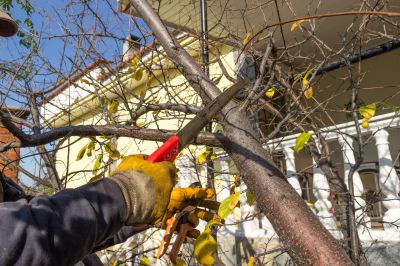
Clearly describe your limbs trimming project and compare local contractors by defining scope, verifying experience, and setting expectations in writing.
- Verify the contractor’s experience with limbs trimming to ensure they are knowledgeable about proper techniques. - Ensure scope of work is clearly defined and documented before work begins.
- Check that the contractor assesses the health and structure of the limbs prior to trimming. - Confirm that the service provider follows guidelines for pruning to promote tree health.
- Look for a detailed written agreement outlining the trimming process and expectations. - Ensure the contractor discusses potential impacts on the tree’s stability and safety.
- Compare multiple local contractors to evaluate their approach and attention to detail. - Ask about their methods for handling different types of trees and limb conditions.
- Ensure the contractor understands and respects property boundaries and surrounding landscape during trimming. - Verify they plan to clean up debris and restore the work area after completion.
Use this to compare local contractors, clarify scope, verify experience, and set clear expectations in writing.
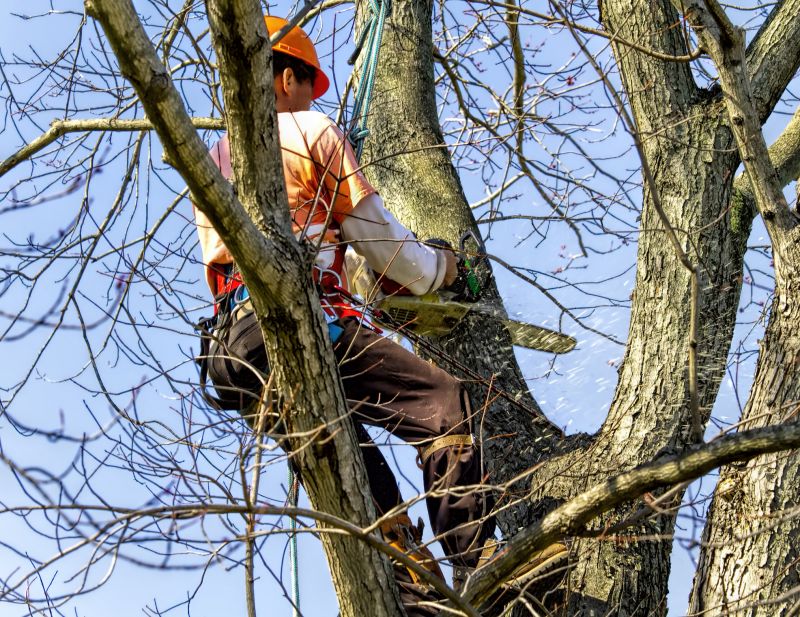
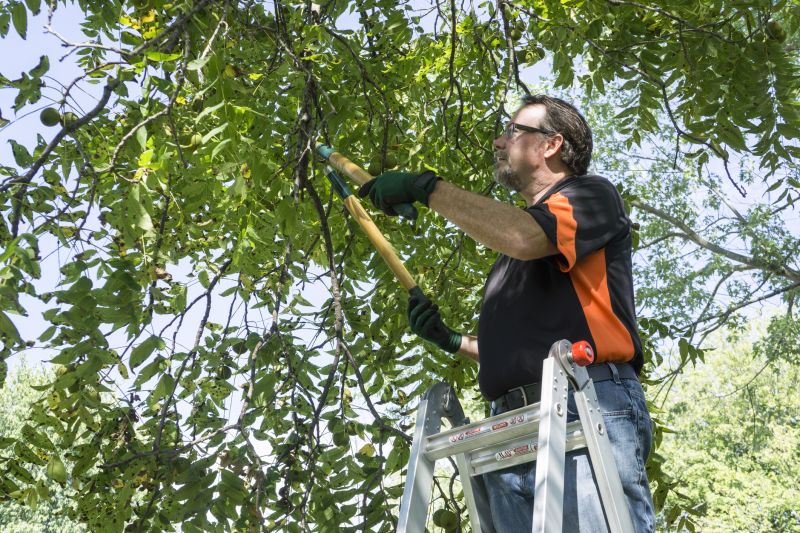
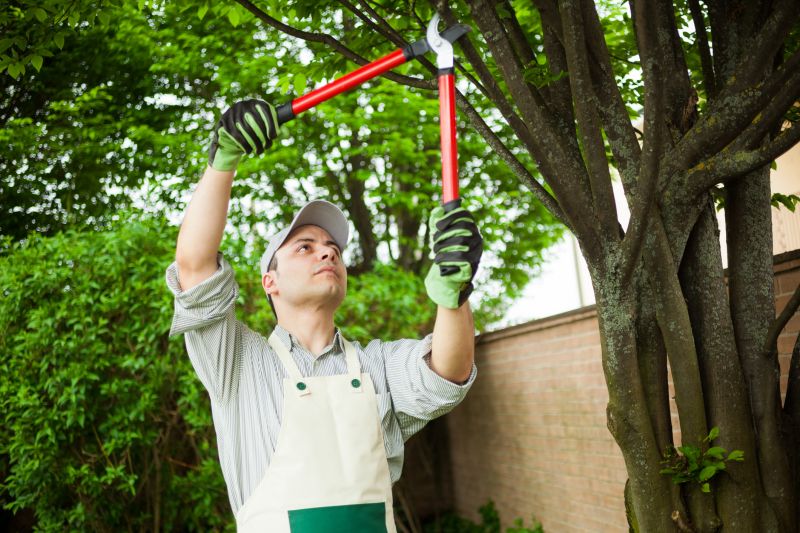
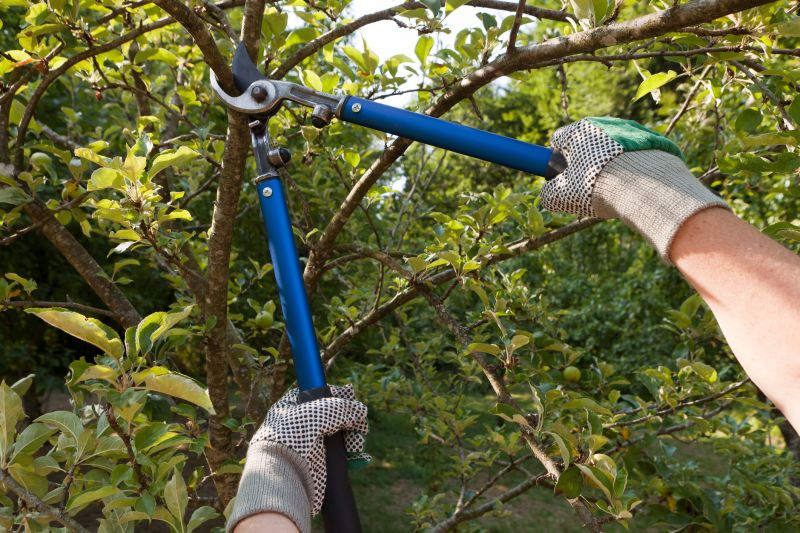
Learn how to compare local contractors for limbs trimming by defining scope, verifying experience, and maintaining consistent expectations.
- Define trimming scope - specify which limbs or branches need to be pruned and the extent of the work.
- Verify experience - ensure service providers have relevant experience with limbs trimming for similar trees or landscapes.
- Establish safety protocols - clarify safety procedures and equipment used during trimming to prevent damage or injury.
- Set project expectations in writing - document the scope, methods, and desired outcomes to ensure clear understanding with contractors.
- Compare local contractors - evaluate multiple service providers based on expertise, reviews, and scope definitions to find suitable options.
When comparing contractors for limbs trimming, it is important to consider their experience with similar projects. Look for service providers who have a history of handling tree trimming tasks comparable to the scope and complexity of the work needed. Contractors with relevant experience are more likely to understand best practices, common challenges, and safety considerations, which can contribute to a smoother process and a more satisfactory outcome.
A clear, written scope of work is essential when evaluating options. This document should outline the specific tasks to be performed, the areas to be trimmed, and any relevant details about the trees or landscape. A well-defined scope helps ensure that both parties have aligned expectations and provides a basis for comparing different contractors’ offerings. Avoid vague descriptions or general promises-clarity in the scope promotes transparency and reduces the potential for misunderstandings.
Verification basics involve confirming that service providers have the necessary background to perform limbs trimming effectively. This might include reviewing their experience, asking about their approach to safety and tree health, and requesting references or examples of completed work. While licensing and certification are not the focus here, understanding a contractor’s familiarity with local regulations and industry standards can help gauge their competence and reliability.
When evaluating options, it is useful to consider how each contractor communicates and documents their proposed work. Look for detailed proposals or written estimates that specify the scope, methods, and materials involved. Comparing these documents can help identify the level of professionalism and thoroughness each service provider offers. Avoid relying solely on verbal assurances; instead, prioritize clear, written information that can serve as a reference throughout the project. This approach ensures that expectations are well-defined and that the chosen contractor is prepared to meet the specific needs of the limbs trimming project.
Request written scope details to ensure clear expectations and consistent understanding among service providers.
- Scope of Work - What specific limbs and areas will the contractor trim or remove?
- Experience and Expertise - How long has the contractor been performing limbs trimming, and what types of trees or plants have they worked on?
- Methods and Techniques - What trimming techniques and tools will the contractor use to ensure proper pruning?
- Work Scope Clarification - How will the contractor handle any unexpected issues or additional work that may arise during trimming?
- Written Agreement - Will the scope of work and expectations be documented in a detailed, written agreement?
What should I consider when choosing a contractor for limbs trimming? It's important to compare the experience and reputation of different service providers, review their scope of work, and ensure expectations are clearly outlined in writing to avoid misunderstandings.
How can I verify a contractor's experience in limbs trimming? You can ask for references or previous work examples, and check if they have relevant experience handling projects similar to your needs.
What questions should I ask a limbs trimming contractor before hiring? Inquire about their scope of services, the methods they use, and how they handle safety and cleanup to ensure they meet your project requirements.
Why is it important to define the scope of work in writing? Having a detailed, written scope helps clarify what services will be provided, sets clear expectations, and serves as a reference throughout the project.
How can I compare different contractors for limbs trimming? Review their experience, scope of work, and reputation, and ask for detailed proposals to understand what each service provider offers before making a decision.
What role does communication play in hiring a limbs trimming contractor? Clear communication ensures that both parties understand the project scope, expectations, and any specific requirements, reducing the chance of misunderstandings.
By exploring the information provided, visitors can gain a clearer understanding of how to evaluate and compare local contractors for limbs trimming. Learning to define the scope of work, verify experience, and set clear expectations in writing helps ensure a smoother process. Utilizing the quote form allows for easy comparison of options, making it simpler to find service providers that meet individual needs.
Encouraging visitors to use the quote form empowers them to connect with trusted local service providers who can handle limbs trimming projects. Comparing different contractors based on their offerings and experience can help identify the right fit, all while maintaining control over the selection process. Taking this step can lead to a more informed decision tailored to specific requirements.